
How to Actually Read the Met Gala (Beyond the Looks)
A framework for understanding fashion, presence, and power on the most watched carpet in the world.
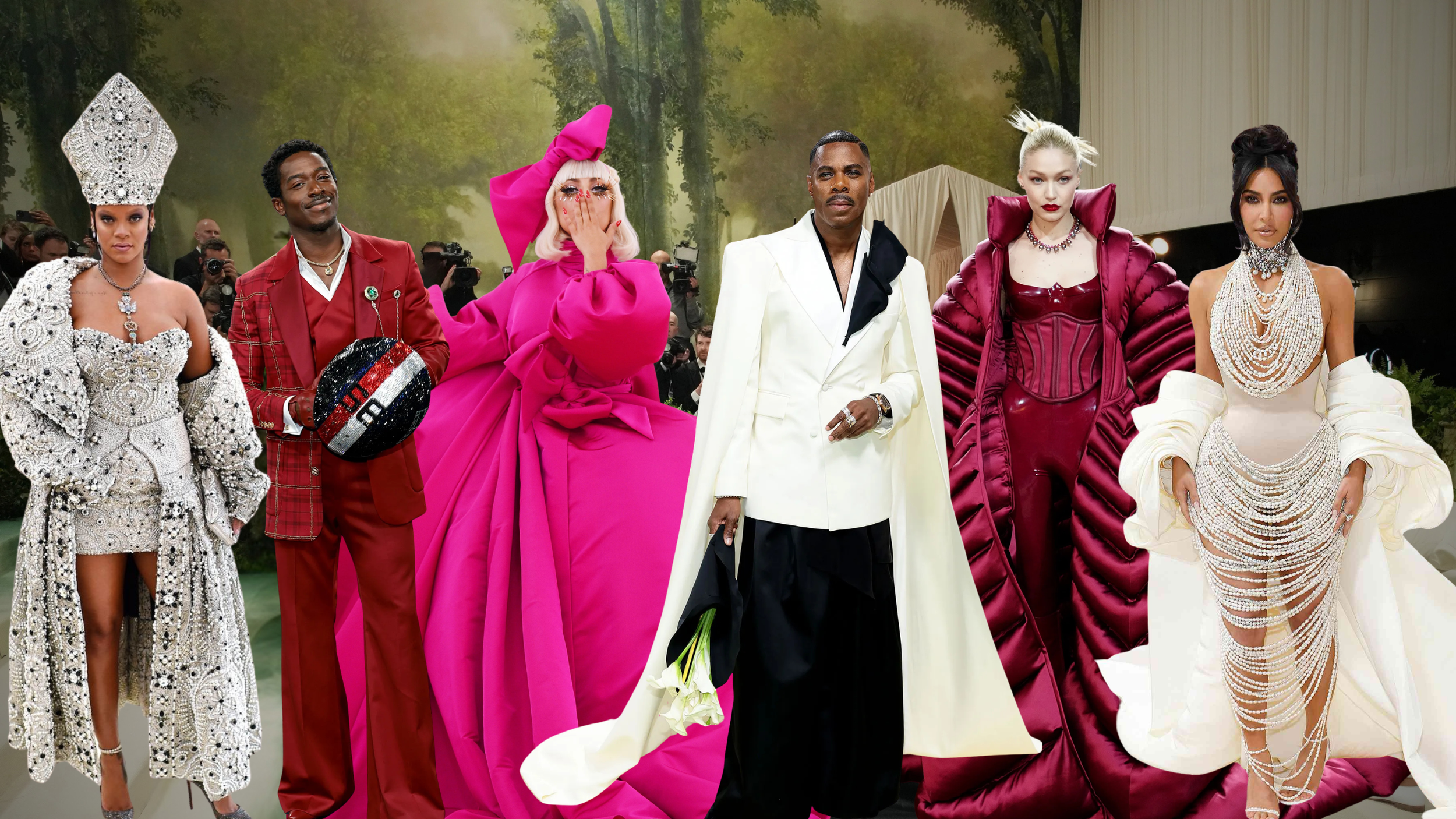
Most people watch the Met Gala for the looks.
I watch it for the decisions.
Because every look on that carpet is answering three questions—whether intentionally or not:
1. What is the message?
What are you referencing?
History? Art? Identity? Power?
If I can’t identify the message within seconds, the look isn’t finished.
2. What is the signal?
What does this communicate about your position?
Are you:
Leading the narrative
Following the theme
Or simply participating
Because fashion at this level is never neutral.
It either positions you or it exposes you.
3. Does it hold presence?
Not just visually, but physically.
Does it:
Command space
Create tension
Shift the energy of the room
Or does it disappear the moment the next person walks in?
Why This Matters in 2026
With Fashion as Art as the theme—and the 60-year legacy of themed storytelling introduced by Thomas Hoving, the expectation is no longer aesthetic.
It’s intellectual.
And the attendees who understand that will not just be seen; they will be remembered.
The Met Gala isn’t about who wore what.
It’s about who understood the assignment.
